
The Conflict of Human Evil
'Salem's Lot: A NovelThis flow traces the novel’s movement from supernatural horror to the recognition that human violence makes the town vulnerable.
increasing Bearing strength in each event
 decreasing
Bearing strength in each eventdecreasingMarsten’s Human Crimes
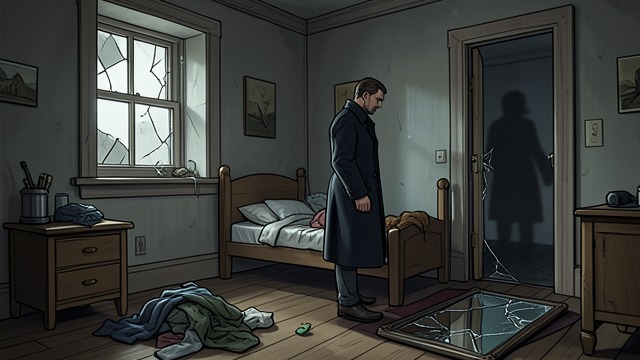
Marsten’s Human Crimes
Hubert Marsten’s history reveals murder, child disappearance, mob violence, and the killing of Birdie Marsten.
Evil Before Vampirism
The house is already contaminated by human acts before Barlow occupies it. Supernatural evil enters an environment prepared by cruelty.
Moral Continuity
The vampire narrative does not erase human responsibility. It shows how old violence can become a foundation for new violence.
Domestic Brutality
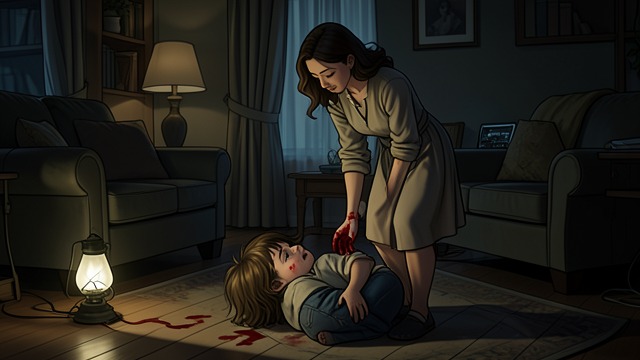
Domestic Brutality
Child abuse, marital violence, infidelity, and coercive control appear throughout the town before full conversion.
Ordinary Monsters
Sandy harms Randy, Reggie terrorizes Bonnie, and jealousy nearly becomes murder. These acts need no supernatural explanation.
Predatory Continuity
Barlow’s methods resemble the town’s existing exploitation. The supernatural colony prospers because its moral environment is already damaged.
The Town’s Complicity

The Town’s Complicity
Residents protect reputations, suppress rumors, and tolerate cruelty as long as it remains private.
Social Silence
Lawrence Crockett accepts Barlow’s deal, while others turn away from disturbing evidence. The town’s refusal to know becomes a form of participation.
Evil’s Local Conditions
Barlow does not conquer a morally pure community. He exploits a place where secrecy, greed, and indifference have already become habits.
The Monster in the Household
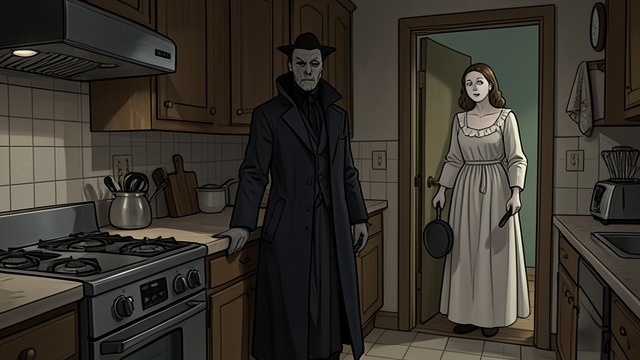
The Monster in the Household
The vampire attacks are repeatedly staged inside familiar domestic spaces rather than remote castles.
The Grand Guignol Nearby
A kitchen, bedroom, trailer, school bus, or boardinghouse becomes a theater of predation. Horror is placed inside the routines people trust most.
No Safe Moral Distance
The town cannot treat evil as an exotic foreign import. It has become intimate, local, and reflected in the conduct of ordinary people.
The Evil That Remains
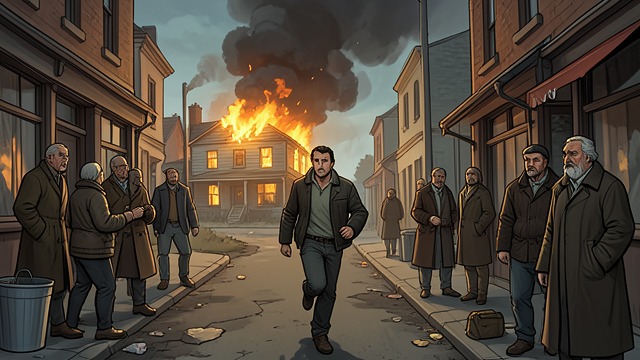
The Evil That Remains
Reports after Barlow’s destruction record new deaths, disappearances, and attacks in surrounding communities.
No Final Purification
The vampire threat survives the destruction of its central town. Evil has moved through geography rather than ending with a single villain.
Responsibility Without Closure
Ben’s return and fire are meaningful but incomplete. The novel ends by demanding continued resistance against recurrence.
1928–1939
September to October 1975
September 1975
October 5 1975
Epilogue period 1975–1976
